A Practical Guide to Getting Heard:
Think of social media as your band's loudest amplifier. It doesn't write the songs or play the guitar it just helps more people hear them, remember them, and show up when it's time for the next gig.
A local musician I worked on content for had a familiar problem. The songs were strong, live show was better than the clips made it look, and people always came up after gigs saying “You were amazing.” … But Online … almost nothing happened.
That is the reality for many musicians.
Why social media matters for musicians today
“Just make great music” is good advice for the craft. It is terrible advice for marketing.
Great music gives you something worth promoting It does not automatically put you in front of listeners, venue owners, playlist curators, local fans, journalists, collaborators, or people planning private events.
The music market is crowded. Chartmetric reported tracking more than 11 million artists in 2024, with an average of 4,600 artists added to its platform each day. That does not mean musicians should panic. It means vague posting is expensive.
Every post needs a job.
Some posts introduce the artist. Some build trust. Some drive people to a release. Some sell tickets. Some help a venue owner or event client understand what the act actually feels like in a room.
Streaming is where a lot of listening happens, but social media is where interest often begins. IFPI reported that global recorded music revenues reached $31.7 billion in 2025, with streaming accounting for 69.6% of global recorded music income. In the U.S., RIAA reported that streaming represented 82% of total recorded music revenue in 2025.
A song sitting quietly on streaming platforms is like a poster inside a locked rehearsal room. Social media opens the door.
The Power of the Superfan
While algorithms and broad reach are important, the most crucial demographic for an independent musician's financial survival is the "superfan." This idea was popularized by Kevin Kelly's famous "1,000 True Fans" concept: you don't need millions of followers you need a relatively small group of dedicated fans who consistently support your work.
According to a 2025 Music Industry Report by FanCircles, superfans make up just 2% of an artist’s monthly listeners but account for over 18% of monthly streams . More importantly, they drive the majority of concert and merchandise revenue.
Superfans are also "stickier," with two-thirds continuing to stream an artist's music six months after release . Cultivating this deep fandom requires authentic connection, direct communication, and providing exclusive access or behind-the-scenes content that casual listeners might miss.
Which platforms you should care as musicians ?
Most independent musicians are better off choosing two or three core platforms, then using them properly. A wedding singer, a local cover band, a producer, and recording artists trying to grow streaming numbers do not need the same plan.
TikTok: Where Songs Take Off
TikTok has fundamentally shifted music discovery. In 2024, 84% of songs that entered the Billboard Global 200 went viral on TikTok first . TikTok users in the U.S. are 74% more likely to discover and share new music than the average short-form video user .
TikTok excels at fast, top-of-funnel awareness. Its "Add to Music App" feature, rolled out in 2024, has generated over 6 billion track saves to premium streaming services, directly converting discovery into sustained listening and revenue .
TikTok works best for: Strong hooks, relatable lyrics, funny or emotional stories, raw live takes, duets and stitches, “how I wrote this” clips, and personality-led content.
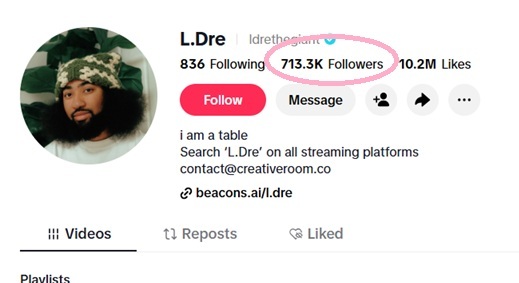
producers doing It REALLY Well:
L.Dre: Creates relaxing beat-making videos, sampling techniques, and short production tutorials that consistently perform well.
YouTube & Shorts: The Full Album Experience
While TikTok is the discovery engine, YouTube provides sustainable, long-term growth. YouTube Shorts have proven to be a massive reach multiplier; in some cases, Shorts have tripled the average artist’s audience of unique viewers .
Crucially, YouTube connects short-form discovery directly to long-form content. Shorts act as a funnel, driving traffic to official music videos, live sessions, and deeper catalogue dives, which are highly monetizable. Artists active on Shorts often see the majority of their new subscribers coming directly from these short videos .
YouTube works best for: Official videos, lyric videos, live sessions, covers, acoustic versions, Shorts, and search-friendly content.
Instagram: Between the Gigs
Instagram remains the strongest home base for music artists because it supports a versatile mix of content: Reels for reach, Stories for intimacy, and carousels for storytelling. According to Pew Research Center's 2025 data, 50% of U.S. adults use Instagram, with usage heavily skewed toward adults under 30 (80%) .
Recent algorithm shifts on Instagram have prioritized original content, storytelling, and "talking head" videos that foster genuine connection over quick, polished hits. Engagement is increasingly driven by emotional triggers and community interaction rather than just high production value.
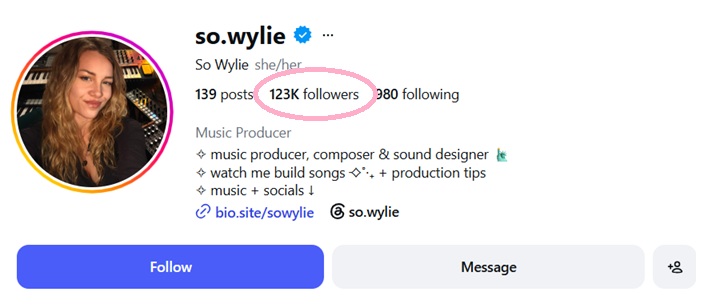
Producers doing it well on instagram:
so.wylie (Music Producer): Feels creative and home-studio driven, with beat-making, sound design, and process-led content.
Facebook: Your Local Fan Club
Facebook still matters immensely for many local musicians, especially performers who rely on events, community groups, older audiences, private bookings, and venue relationships. Pew Research found that 71% of U.S. adults use Facebook, with particularly strong daily usage among 30- to 64-year-olds .
If your buyers, fans, parents of wedding couples, venue owners, or local community members are there, use it. Post event pages, show reminders, photo albums, testimonials, and strong live clips. Facebook is not always glamorous, but it can still sell seats.
Take a look at Busy Works Beats: rather than simply promoting finished tracks, he has built a large Facebook following by consistently sharing beat-making tutorials, production tips, livestreams, and behind-the-scenes studio content that helps aspiring producers improve their craft.
What should you post on social media?
A song is not one piece of content. A show is not one flyer. A rehearsal is not one blurry Story. Musicians often have more content than they think. They just need to break it down.
Post the music in different ways
Do not only share the finished track. Give people multiple ways into the song.
Try:
- The strongest 10-second hook
- A stripped-down version
- A live rehearsal clip
- A vocal-only moment
- A lyric video
- A demo versus final mix comparison
- A short explanation of what the song is about
One listener may connect with the lyric. Another may connect with the live version. Another may only need the chorus stuck in their head.
Tell the story behind the song
People are more likely to care when they understand what they are hearing.
You do not need to share your entire private life. You do need to give context.
- “I wrote this after a conversation I could not stop thinking about.”
- “This chorus started as a voice memo in my car.”
- “The happiest-sounding part of this song is actually the saddest line.”
- “I almost cut this lyric, but now it is the line people mention most.”
Story gives the music a handle. It helps people know why they should listen.
Show proof that other people care about
Proof can be small and still powerful: A crowd reacting to a chorusm A fan message, A venue tagging you, A clip from a wedding or private event, A rehearsal moment with collaborators, A comment from someone who connected with the song
One local performer had months of strong event footage sitting unused. We built a simple rule: after every show, save three clips before going to sleep: best crowd moment, best vocal moment, and best atmosphere shot. That gave them a week of content from every gig without filming more than they already did.
Let people see the artist
Fans follow more than songs. They follow taste, humor, habits, work ethic, values, and personality.
Share things like:
- What you are listening to this week
- Your pre-show ritual
- A rehearsal mistake
- Your favorite venue memory
- A songwriting habit
- A strong opinion about your genre
- A day in the life during release week
Post ideas
Here are ideas that work without a production team.
New music:
- Share the chorus with lyrics on screen
- Post the voice memo that started the song
- Explain one lyric in plain language
- Show the cover art and ask what mood people hear
- Film a simple acoustic version
- Share the first fan reaction after release
- Post the same hook in three different formats
- Make a “who this song is for” video
For live shows:
- Post a rehearsal clip from the set
- Share a clean graphic with date, time, venue, and ticket link
- Film the walk into the venue
- Introduce the band
- Ask followers which song should stay in the set
- Share a 15-second highlight after the show
- Thank the venue and tag everyone involved
- Ask fans to send their clips
For bookings:
- Pin your best live performance clip
- Share a testimonial from a venue or client
- Show different event setups
- Post available dates for the month
- Explain what people get when they book you
- Make contact details easy to find
If you are busy, do not overcomplicate this. Collect the raw moments, then turn them into repeatable content.
Protect the artist’s voice
When I help musicians with thier social media, I start by understanding the artist: the music, audience, goals, live schedule, assets, personality, and current profiles. Then I build the strategy, content pillars, calendar, captions, visuals, and post ideas around what is already real.
Nothing should sound like it could belong to any artist.
A useful weekly rhythm might be:
- One performance clip
- One story or personality post
- One promotional post
- Two to five Stories
- One fan, venue, or collaborator interaction
During release week or show week, increase the volume. During quieter weeks, stay visible without forcing content.
The musician should approve every piece before it goes out. That keeps the artist in control while the day-to-day marketing work becomes lighter.
Common FAQ we get
How often should musicians post on social media?
Start with three strong posts per week and use Stories between posts. During release weeks or show weeks, post more often with a clear purpose.
What is the best social media platform for musicians?
Instagram, TikTok, and YouTube are usually the strongest mix. Local musicians may also get real value from Facebook events and community groups.
What should musicians post besides music?
Post stories, rehearsals, live clips, fan reactions, venue moments, songwriting notes, and booking proof. The goal is to make the artist easier to understand.
How do I promote a song without annoying people?
Change the angle each time. Share the lyric, story, live version, fan reaction, studio clip, and meaning instead of repeating “stream now.”
Is social media management for musicians worth it?
It is worth it when it saves time, improves consistency, and protects the artist’s voice. Strategy and approval matter more than posting volume.
Can local musicians use social media to get more bookings?
Yes. Post strong live clips, clear event details, testimonials, and booking information so venues and clients can quickly trust what you offer.