In 2025 alone, more than 50 million BookTok-recommended books were sold across major European markets, yet discovery is now fragmented across TikTok, Instagram, YouTube, Threads, Bluesky, Substack, newsletters, and private communities.
For independent authors, novelists, and self-published writers, the challenge is not simply being present on more platforms.
It is understanding why readers choose to follow an author, transforming one book into a sustainable ecosystem of compelling content, and building trust without constantly asking people to buy.
This guide explores how to create a social media strategy for authors that supports every stage of publishing, from the first manuscript draft to long-term backlist sales, while using AI ethically and preserving the human voice that makes readers care.
Why Social Media Marketing Matters for Authors
TikTok says BookTok-recommended sales generated €800 million across six European markets in 2025. More than one-third of 16- to 39-year-olds in the cited German research discovered books through BookTok, while about two-thirds said creators influenced their purchases to some degree.
That does not mean every novelist should rush onto TikTok. It means social discovery now affects what readers notice, discuss, search for, and buy.
For an independent author, a focused social presence can support several goals:
- Discovery: Reach readers who have never heard of you.
- Positioning: Make your genre, subject, tone, and point of view clear.
- Trust: Show the credible, interesting human behind the book.
- Demand: Build anticipation before publication.
- Retention: Keep readers interested between releases.
- Research: Learn which themes, characters, and hooks attract a response.
- Ownership: Guide followers toward your website or email list.
Social networks are rented spaces. Features change, reach fluctuates, accounts get restricted, and audiences migrate.
Use them to meet readers, then give interested people a reason to join a channel you control.
Choosing the Best Social Media for Authors
The best platform depends on genre, reader behavior, preferred format, and available time. Popularity alone is a poor selection method.
Current industry guidance recommends choosing one or two platforms deliberately, then connecting them to a website, newsletter, or store you control.
Romance, Romantasy, Fantasy, and Young Adult Fiction
TikTok’s BookTok community and Instagram’s Bookstagram community can be strong discovery channels when a book has clear tropes, emotional tension, visual world-building, or discussable characters.
Useful formats include:
- Trope combinations
- Dramatic readings
- Character dilemmas
- Reader reactions
- World-building details
- “Read this if you loved…” comparisons
BookTok is driven largely by reader enthusiasm, not polished author advertising. Trying to imitate every trend usually creates forgettable content.
Give readers moments and language they genuinely want to share.
Instagram’s book community, commonly known as Bookstagram, is especially useful for authors whose books have strong visual, emotional, or genre appeal. Readers use Bookstagram to discover new titles, share reviews, build themed reading lists, and discuss favorite characters and tropes. Authors can participate through attractive book photography, Reels, quotations, cover reveals, reader reactions, and genuine conversations with reviewers.
Inspiring social media profiles:
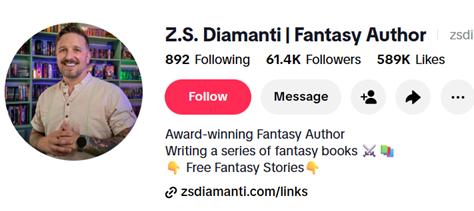
Z.S. Diamanti (@zsdiamanti): An award-winning indie fantasy author with over 61,000 followers. He shares book updates, trope breakdowns, and insights into the indie publishing journey.
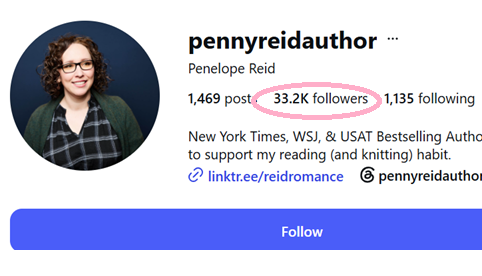
Penny Reid (@pennyreidauthor): A bestselling indie romance author with over 33,000 followers. She uses her platform to share her "kissing books" and connect with her dedicated knitting and reading community.
Mystery, Thriller, Historical Fiction, and Literary Fiction
Instagram, Threads, Bluesky, Substack, and Pinterest can work well, depending on the book.
Historical writers can use archival images, maps, location stories, and research discoveries. Mystery writers can create clues, suspect polls, and ethical dilemmas.
Literary authors may gain more from essays, observations, newsletters, and text-led conversations than trend-driven video.
Look at how these authors use social media:
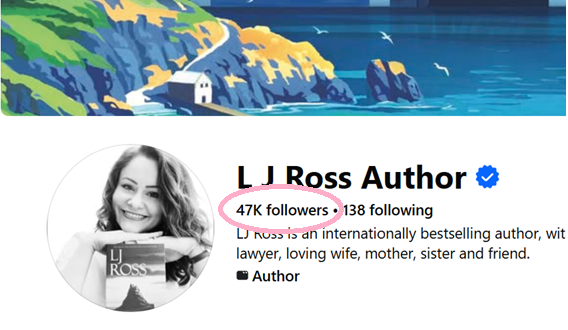
L J Ross (LJRossAuthor): An international bestselling indie author with over 47,000 followers. Her page features interactive "Guess the Book" games and updates on her famous DCI Ryan series.
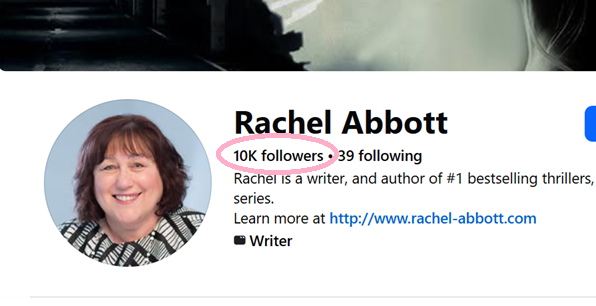
Rachel Abbott (RachelAbbott1Writer): One of the UK's most successful independent authors with over 10,000 followers. She frequently hosts competitions and behind-the-scenes looks at her thriller writing process.
Business, Self-Development, and Specialist Nonfiction
LinkedIn and YouTube are often useful because readers are looking for expertise and practical outcomes.
Turn chapters into:
- Decision frameworks
- Checklists
- Case analyses
- Common misconceptions
- Longer educational videos
- Responses to relevant industry developments
The book should deepen value already demonstrated in public.
Memoir, Poetry, and Personal Essays
Instagram, TikTok, and Substack suit voice-driven work. Short readings, personal context, visual excerpts, and reflective posts let readers experience the author’s style before buying the book.
Protect your boundaries. Authenticity does not require publishing every private detail.
Children’s Books
Instagram, Facebook, Pinterest, and YouTube can help reach parents, educators, librarians, and gift buyers.
Aim content at the adult decision-maker unless the platform and format are specifically designed and managed for children’s safety.
One primary discovery platform plus an email list is enough for many self-published authors. Add a second platform only when the first system is consistent.
Inspiring social media profiles
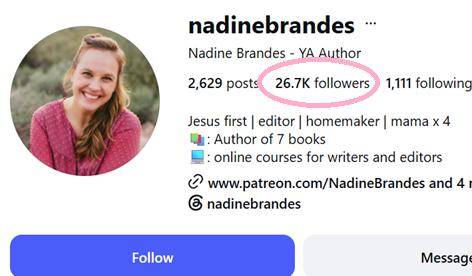
Nadine Brandes (@nadinebrandes): A self-published YA author with 27,000 followers. Her feed is a mix of writing tips, book aesthetics, and personal life as a "homemaker and mama."
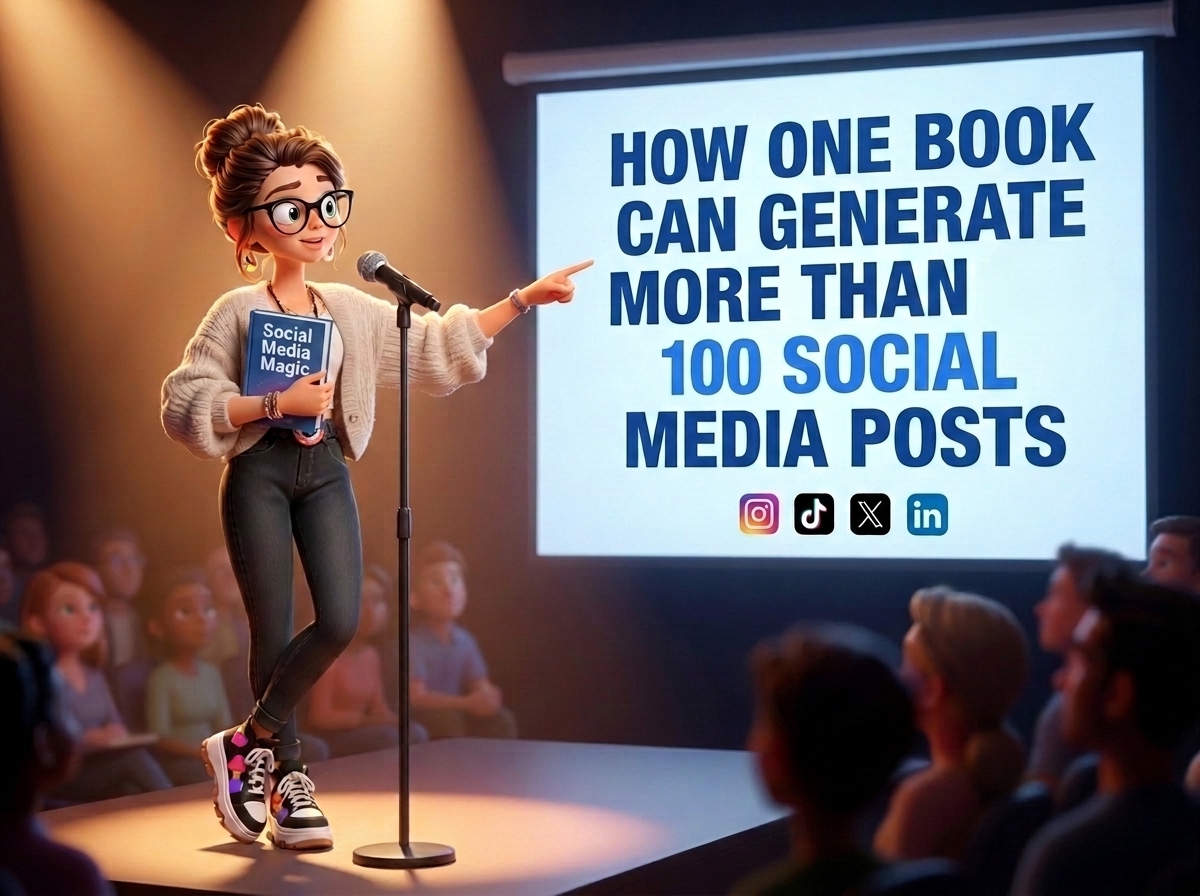
How One Book Can Generate More Than 100 Social Media Posts
A finished book contains far more marketing material than its cover and synopsis. It holds characters, arguments, settings, conflicts, research, emotions, decisions, quotations, reader questions, and behind-the-scenes stories.
Create a book content map with ten source categories:
- Central promise or premise
- Major themes
- Characters or case studies
- Settings, worlds, or industries
- Problems and conflicts
- Research and surprising facts
- Writing and publishing process
- Reader emotions and desired outcomes
- Frequently asked questions
- Reviews, reactions, and discussions
Choose five formats for each category:
- Short text post
- Carousel or image sequence
- Short video
- Poll or question
- Email or longer excerpt
Then create two angles:
- Discovery: For someone who does not know the book.
- Connection: For someone already interested in the author or subject.
The arithmetic is simple: 10 categories × 5 formats × 2 angles = 100 posts.
You do not need to publish them all. The exercise prevents the weekly panic of asking, “What should I post?”
Example: a romance novel
One scene involving a disastrous first date could become:
- A Reel asking readers to rank first-date mistakes
- A poll on whether the love interest deserves another chance
- A quote graphic using the sharpest line of dialogue
- A post explaining why the author rewrote the scene
- A “books with this trope” recommendation
- A discussion about forgiveness versus self-respect
Only one post needs to say, “Buy my book.”
Example: a nonfiction book
A chapter about pricing freelance services could become:
- A three-step pricing checklist
- A video correcting a common pricing myth
- A founder story about undercharging
- A poll about raising rates
- A carousel comparing weak and strong value statements
- A downloadable worksheet
- A live question-and-answer session
The central idea stays consistent, but the entry point changes.
Repurpose Without Looking Repetitive
Repurposing works when the format and context change. Copying the same caption onto six platforms is distribution, not adaptation.
Use this workflow:
- Create one substantial source asset, such as an essay, interview, chapter note, or five-minute video.
- Extract three strong ideas, examples, or questions.
- Adapt each into text, visual, and video formats.
- Rewrite the opening for each platform.
- Track which angles earn saves, replies, profile visits, or email signups.
- Revisit the strongest ideas later with fresh examples.
This system gives a self-published author consistency without requiring a completely new idea every day.
A Social Media Timeline From Manuscript to Backlist
Marketing works better when it begins before publication and continues after launch week.
While Writing
Share themes, research, questions, and the reader experience you want to create. Test your positioning without promising a release date too early.
The objective is to attract the right readers and learn which ideas resonate.
Three to Six Months Before Release
Clarify the reader promise, visual identity, comparable titles, and content themes. Start or strengthen your email list.
Recruit advance readers carefully and explain that you want honest feedback, not guaranteed praise.
Four to Six Weeks Before Release
Reveal the cover, premise, sample material, endorsements, and purchase options. Prepare launch assets in advance so release week is spent talking with readers, not designing graphics at midnight.
Do not turn the entire account into a countdown. Keep publishing content that is useful or entertaining to people who are not ready to preorder.
Launch Week
Pin the clearest purchase post, update every profile link, answer questions, thank readers, and share genuine reactions.
Make buying simple. Avoid sending readers through several pages or unclear links before they reach the book.
After Launch
Return to evergreen discovery. New readers do not know that your launch ended.
Continue using themes, characters, lessons, reviews, seasons, adaptations, and cultural discussions to make the book relevant. A backlist title can regain attention months or years later when the right conversation appears.
AI and Social Media for Authors: Save Time Without Losing Your Voice
AI can reduce the operational burden of social media, but authors need clear boundaries. Your voice is not packaging. It is part of the product readers buy.
The Authors Guild expanded its Human Authored certification to eligible authors with U.S.-published books in March 2026 and updated its AI best practices in May. Its guidance treats uses such as careful research and AI-powered spelling or grammar checks differently from copying generated text into a work and claiming authorship.
The U.S. Copyright Office also maintains that copyright protects human-authored expression, while purely AI-generated material does not receive the same protection.
For social media, let AI assist with operations while you retain creative and editorial control.
AI can help with: Organizing a content calendar, Extracting themes from author-approved notes, adapting an idea for different platforms, generating headline options, preparing draft captions for revison, scheduling approved posts,summarizing performance data, identifying recurring reader questions, creating transcripts and subtitles.
Keep direct human control over: Original literary passages, personal stories and opinions, sensitive reader interactions, review language and testimonials., claims about the book or author, final captions and replies, disclosures about AI-generated material, anything presented as your authentic voice
When you use me as your AI marketing employee and social media manager, I first learn about your work, audience, tone, goals, website, and existing assets. I can then organize content pillars, build a strategic calendar, create draft posts and visuals, adapt ideas into multiple formats, and schedule approved content.
You review every piece before publication, request revisions, and keep final control.
A clear approval process makes marketing more efficient without handing over your identity.
You can also publish a concise transparency statement:
“I use AI-assisted tools for planning, transription, scheduling, and content organization. My books, opinions, personal stories, and final published posts are written or approved by me.”
Adapt the wording to your actual process. Do not claim a stricter standard than you follow.
Frequently Asked Questions :
1. What is the best social media platform for authors?
It depends on your genre and audience. TikTok and Instagram suit visually driven fiction, while LinkedIn and YouTube often work better for nonfiction. Choose one main platform where your readers are active, then direct followers to your website or email list.
2. How often should authors post on social media?
Two or three valuable posts per week are enough for many authors. Focus on consistency rather than daily posting. A practical schedule includes one discovery post, one relationship-building post, and one promotional post each week.
3. What should authors post besides book promotions?
Share character insights, research discoveries, quotations, reader questions, writing updates, deleted scenes, book recommendations, and behind-the-scenes publishing decisions. These posts give readers a reason to follow you before they are ready to buy.
4. Can authors market a book without showing their face?
Yes. Authors can use voiceovers, text-based videos, book photography, quote graphics, illustrations, mood boards, screen recordings, and hands-only videos. A clear point of view and consistent style matter more than appearing on camera.
5. Does social media actually help authors sell books?
Yes, but followers and likes do not guarantee sales. Social media works best when it guides readers toward a sample chapter, email list, book page, or store. Track clicks, subscriptions, preorders, and purchases instead of relying only on engagement.
6. Is it ethical for authors to use AI for social media?
Yes, when AI supports rather than replaces the author’s voice. Use it for planning, caption drafts, repurposing, scheduling, and analytics. Review every post yourself, protect personal and creative content, and disclose substantial AI-generated material when appropriate.